Boat hire on the Canal du Midi
A dazzling spectacle throughout your river cruise, featuring renowned and listed sites at the heart of an extraordinary ecosystem.
The Must-Sees
Canal du Midi: Your next getaway
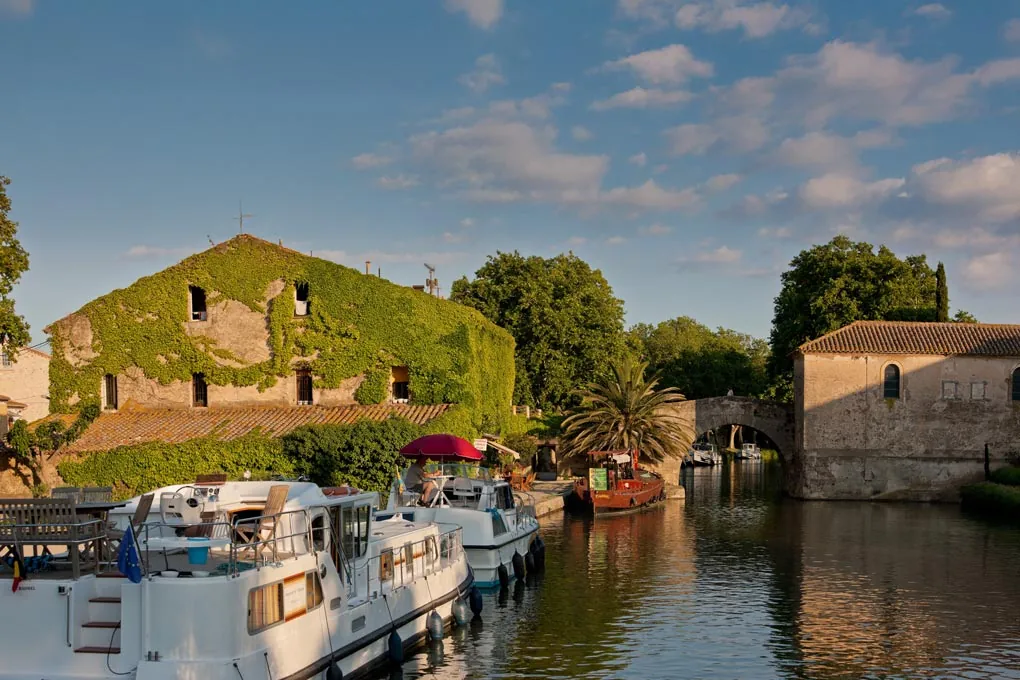
The Canal du Midi, a Green Gem
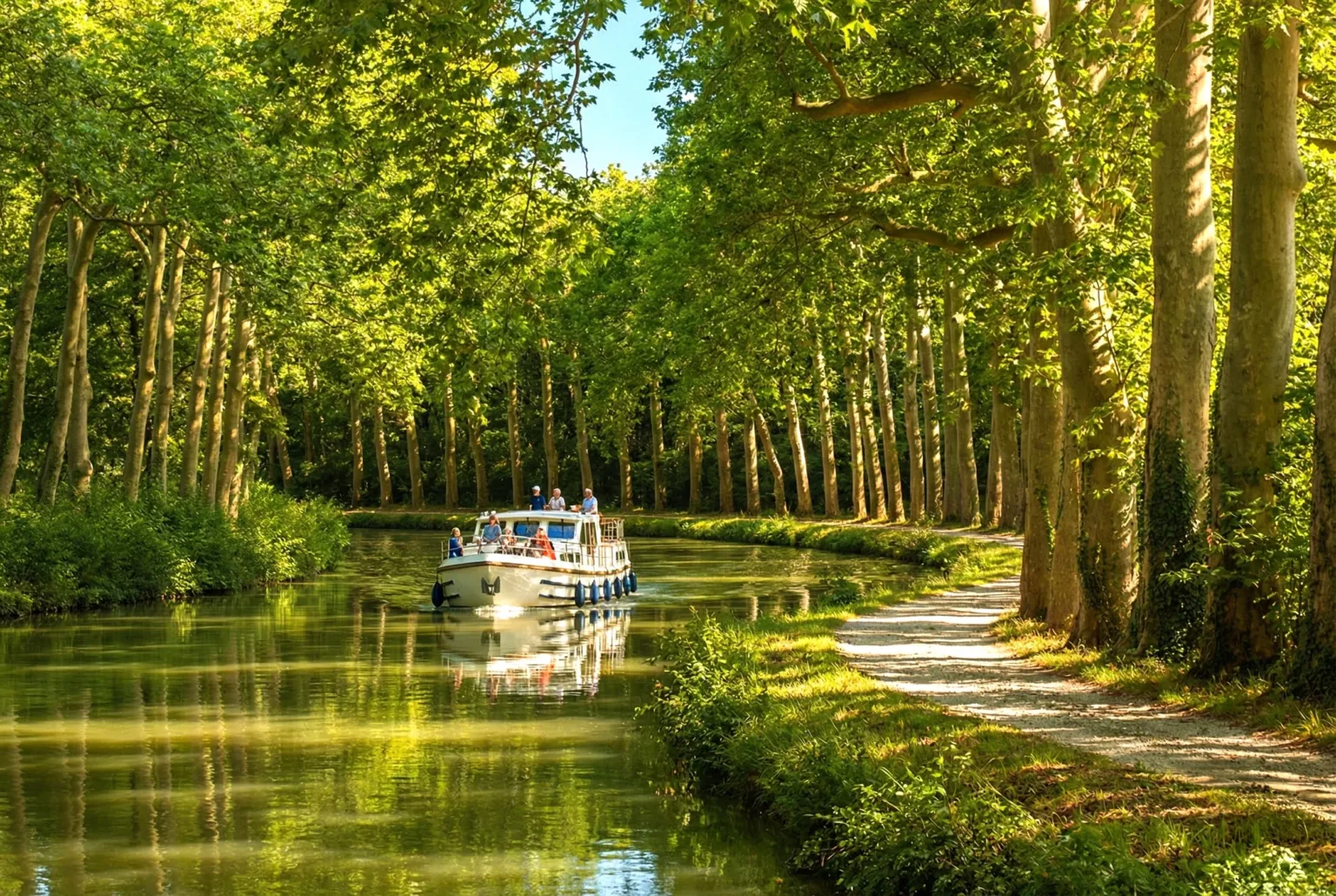
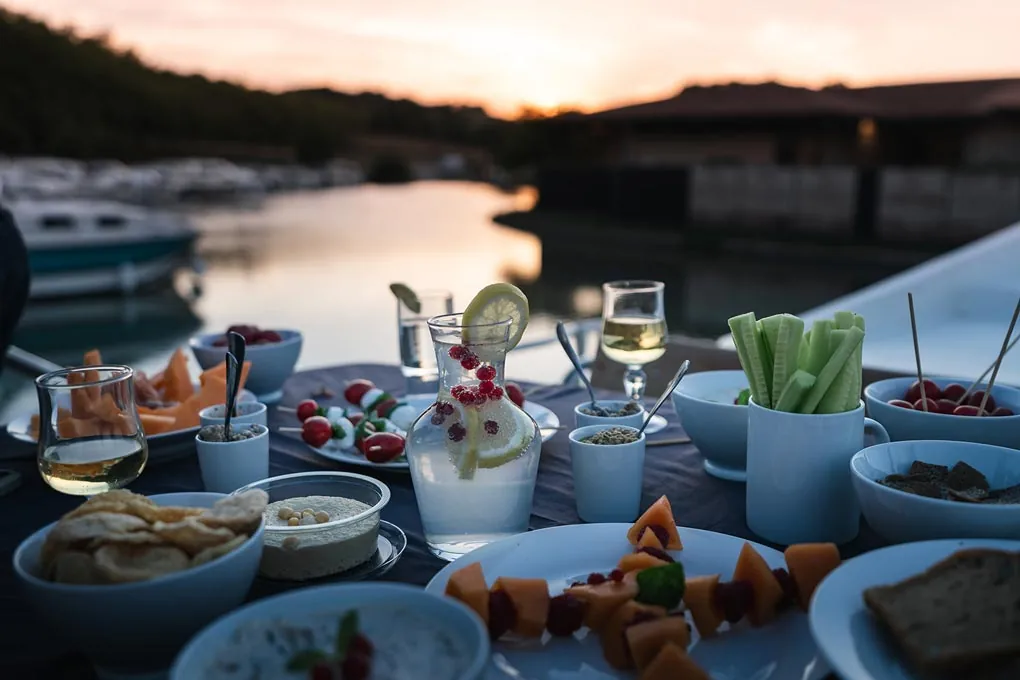
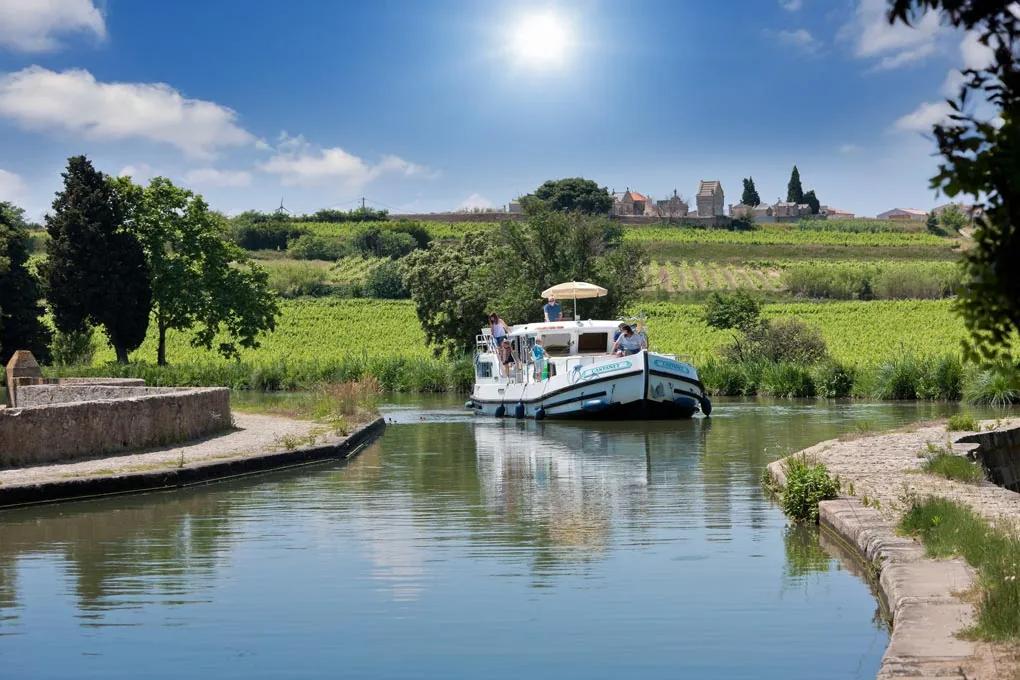
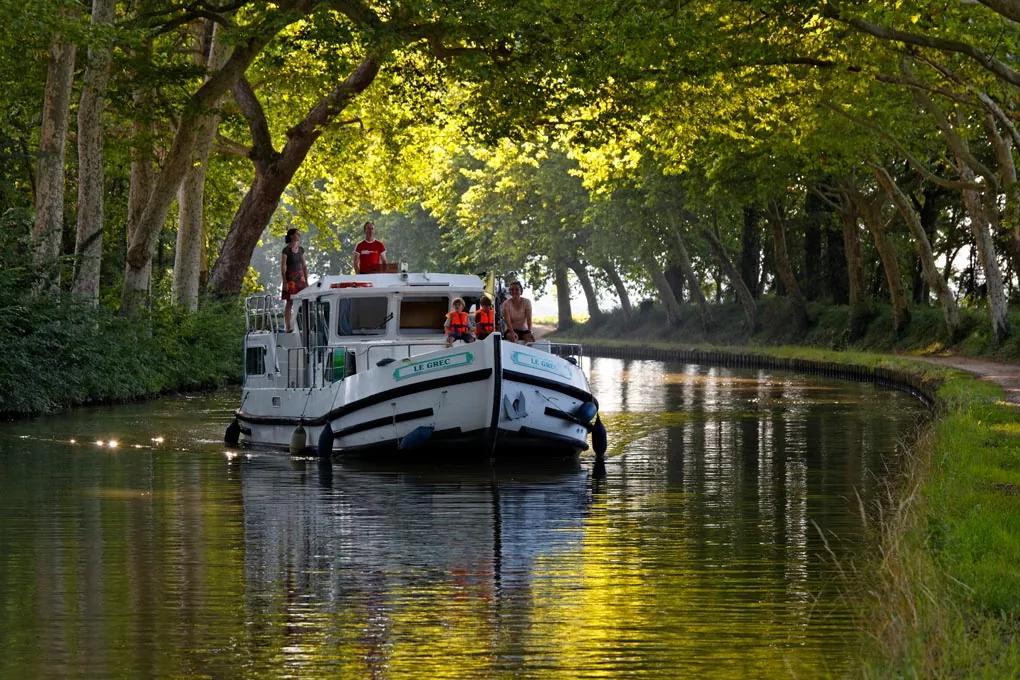
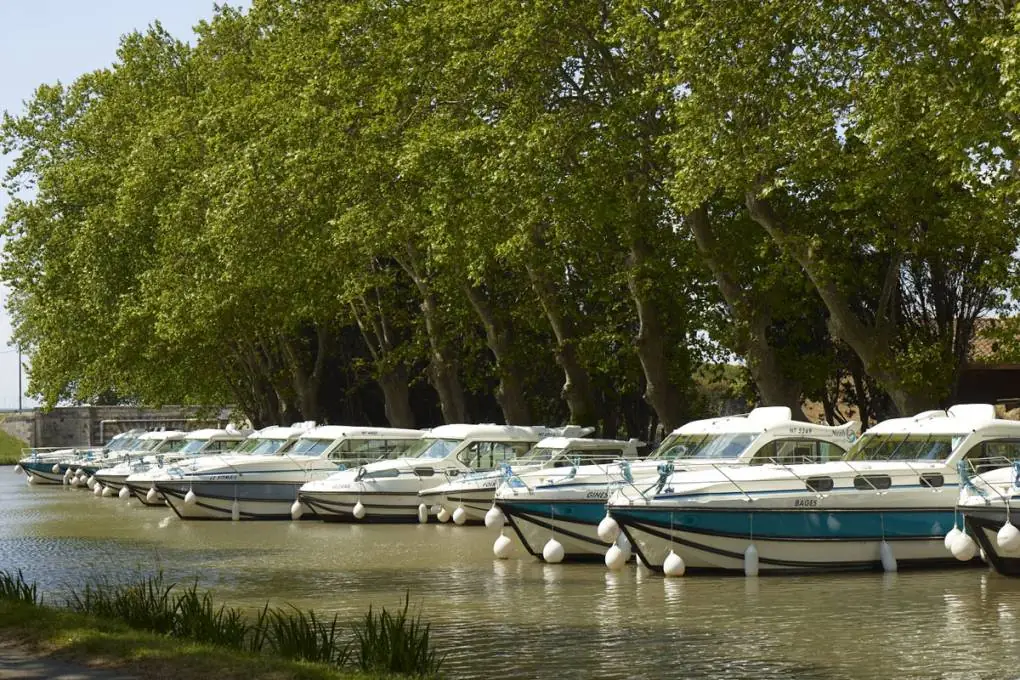
Listed as a UNESCO World Heritage Site, the Canal du Midi reveals peaceful and enchanting landscapes, including its iconic canopy of plane trees. It’s the perfect opportunity to enjoy its shaded banks to the sound of cicadas while savouring sun-drenched Mediterranean cuisine.
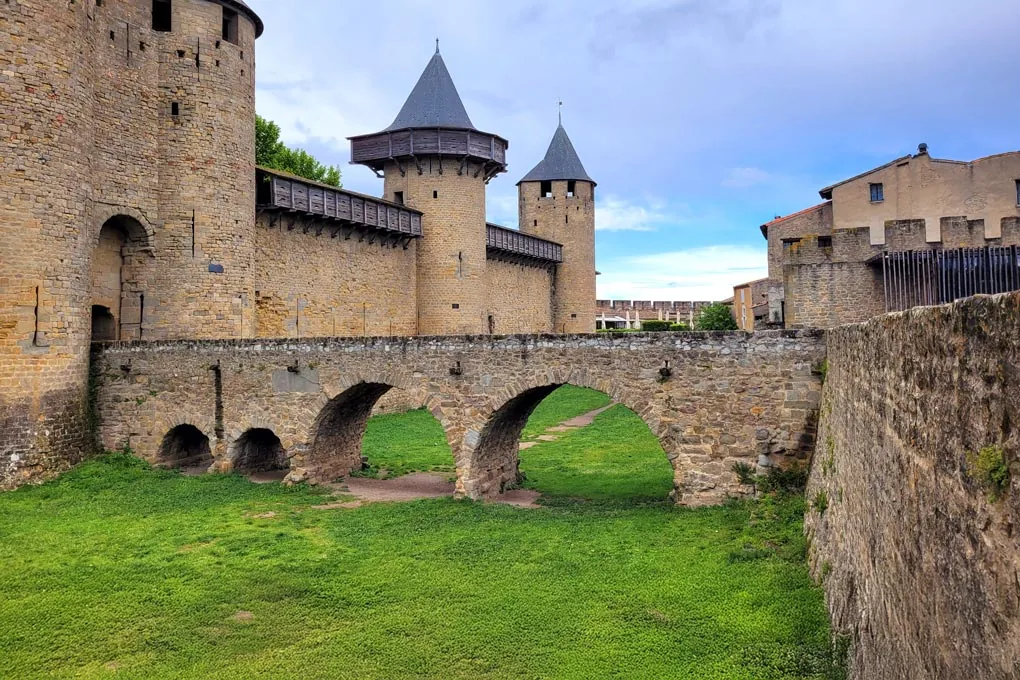
The City of Carcassonne, a Journey into History
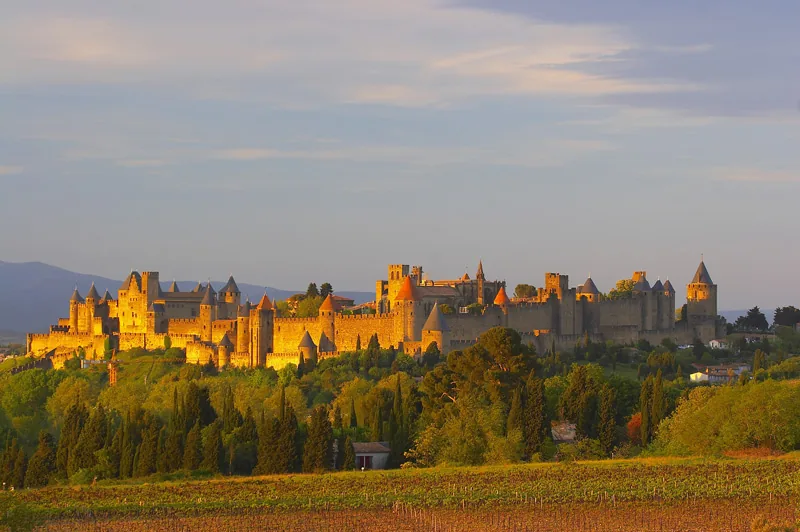
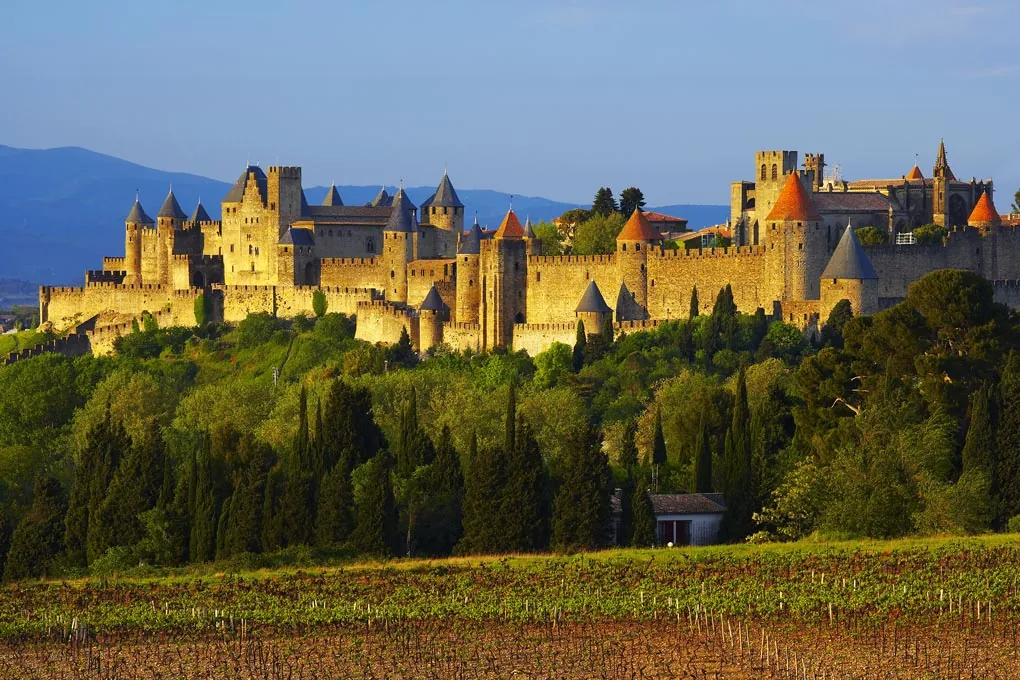
Listed as a UNESCO World Heritage Site and marked by 2,000 years of conquests, this stunning fortress rises on the banks of the Aude River. Echoing with the memory of the Crusades, it’s best discovered at sunset when the stone walls glow — a spectacular arrival by boat.
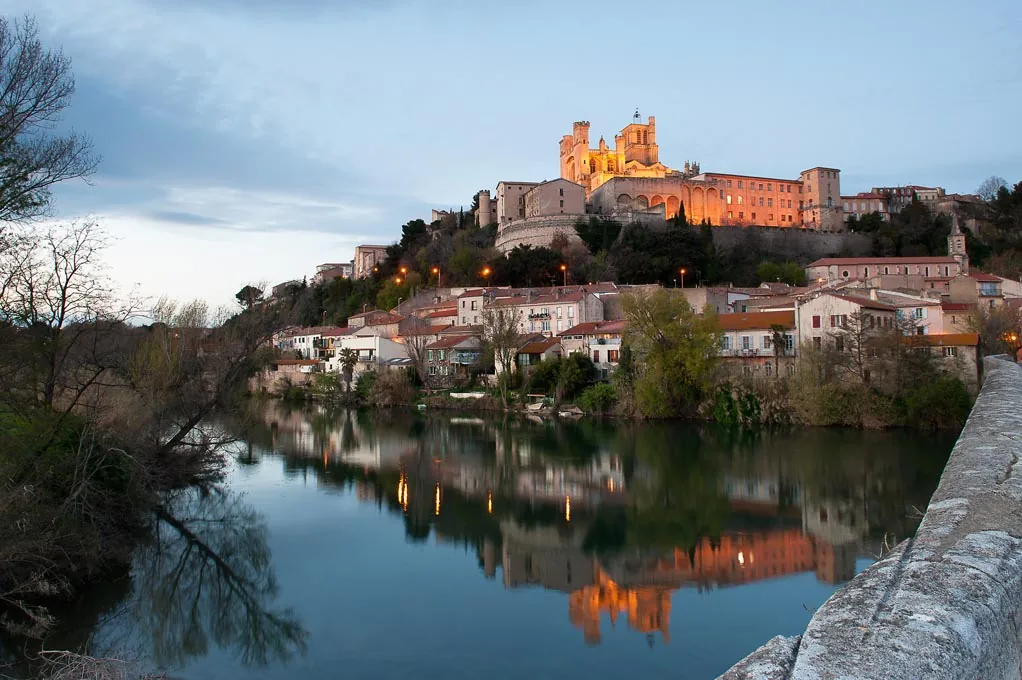
Béziers, the Heart of Languedoc
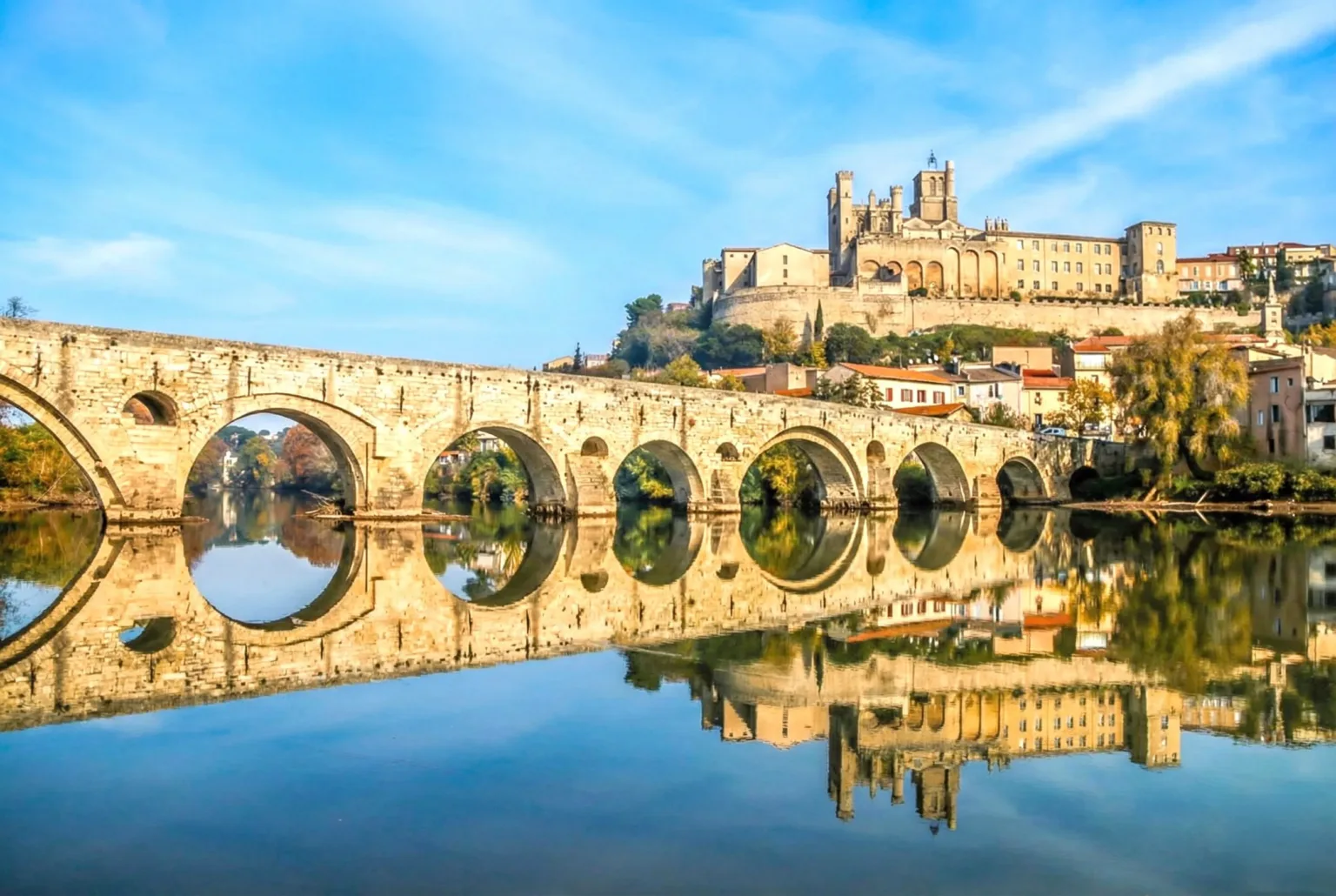
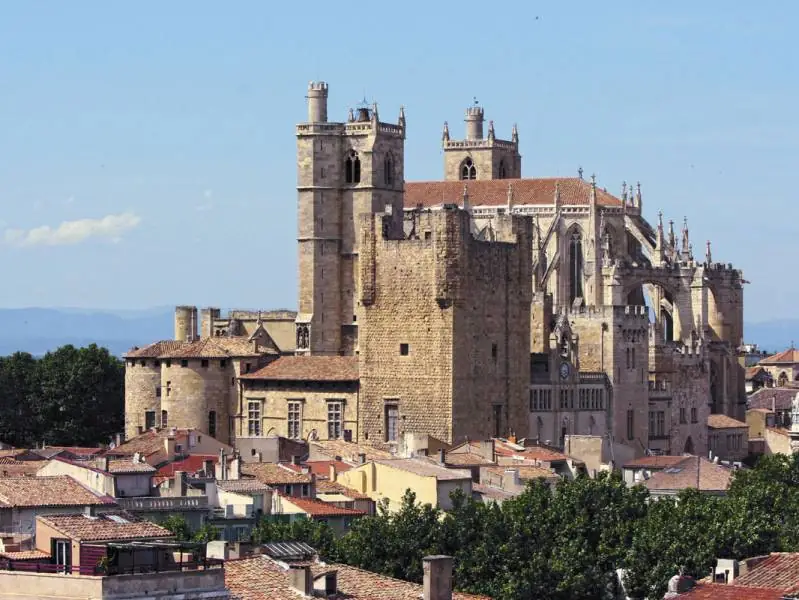
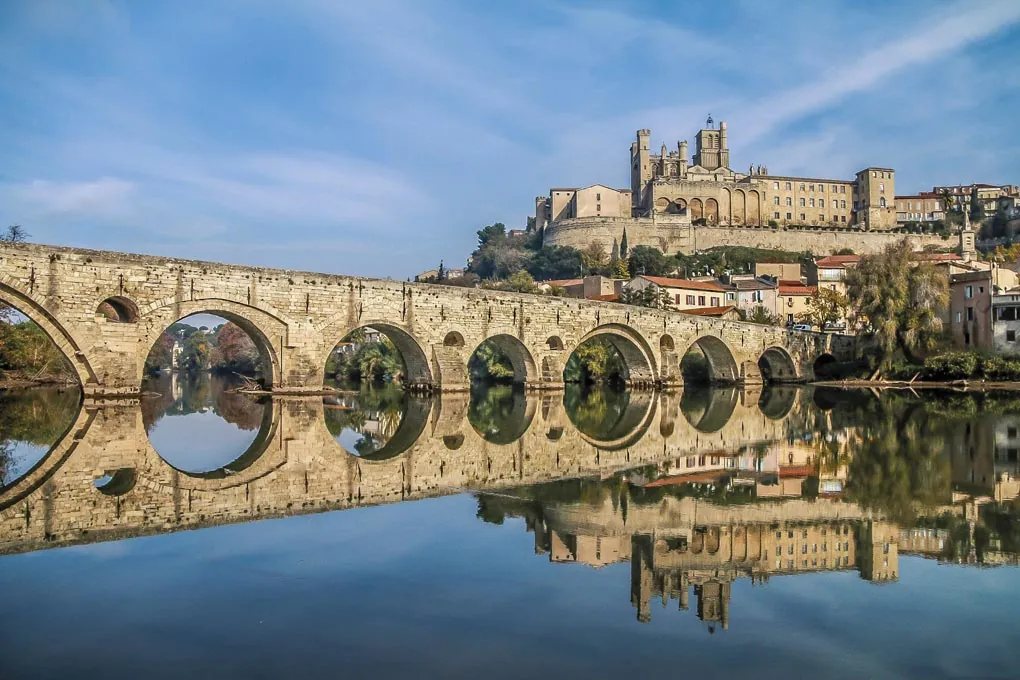
Perched on a rocky outcrop overlooking the Orb River, Béziers is one of France’s oldest cities. Its identity is deeply tied to the Canal du Midi, featuring its greatest technical feat: the 9 Fonseranes Locks. From its majestic cathedral to its ancient vineyards, the city offers raw and authentic heritage.
Choose Your Itinerary
Canal du Midi: Discover the region with Riverly
Pricing and Availability
|
Routes
|
Boats
|
|---|
Canal du Midi by boat: from Toulouse to the Mediterranean
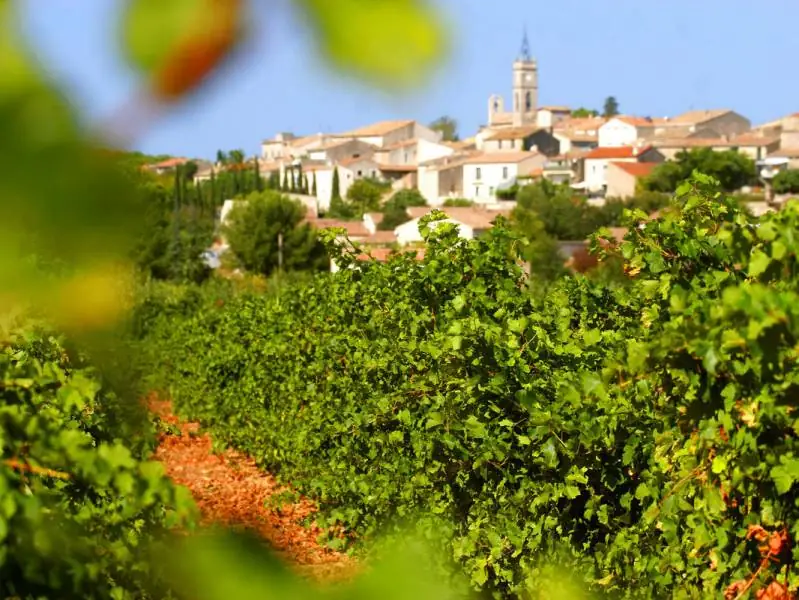
This is a magical part of the world to explore by Pénichette®, from the amazing works of engineering and medieval citadels of the Canal du Midi, listed as a UNESCO World Heritage site, to the lagoons of the Étang de Thau. When you rent a boat on the southern canals, you’re within easy reach of historic sites such as Carcassonne and its famous medieval citadel, Toulouse with its basilicas, the pride of the “Pink City”, and the Minervois vineyards skirting the foothills of the Black Mountain. Journey through the centuries on your boat and discover the timeless treasures of this famous region. Of course, you’ll also enjoy the Mediterranean atmosphere and lifestyle as you pass through lively villages, after sampling some local seafood on the quayside. The Canal du Midi may be world-famous for boating holidays in France, but the impression you’ll take home is the disarming simplicity of life on the waterways, as you gently go with the flow on your licence-free boat, through parades of pines and cypresses, lulled by the sound of cicadas. Looking for wild landscapes and white horses? Discover our boating holidays in the Camargue.
Canal du Midi: dazzling gems, with or without sunshine
Listed as a UNESCO World Heritage site, the Canal du Midi is one of the world’s most famous locations for boating holidays. Customers come back here year after year – they know there’s so much to explore, it’s hard to know which way to steer to take it all in!
The Citadel of Carcassonne, a journey into history
This amazing fortress, a UNESCO World Heritage site in its own right, stands guard beside the River Aude, with two thousand years of conquests and crusades echoing inside its walls. The best time to see it is arriving by Pénichette® at sunset, when the stones take on a fiery glow – a breathtaking sight!
The Étang de Thau, a huge natural spectacle
As you approach the Étang de Thau, your boat gives you access to the largest stretch of water in the region. Especially famous for oyster farming, this unspoiled natural area has an incredible diversity of species, which you can discover as you glide through the water.
Canal du Midi boat hire prices
Hiring a licence-free boat on the Canal du Midi generally costs between €1,020 and €3,610 per week, depending on the boat model, level of comfort, number of people on board and time of year. At Riverly, you can choose from our Classic, Comfort, Premium and Premium+ ranges to find the boat that best suits your group and budget.
The price of your boating holiday also depends on the length of your stay and the itinerary you choose. You can also take advantage of special offers for even better rates.
Canal du Midi route: from Toulouse to the Étang de Thau
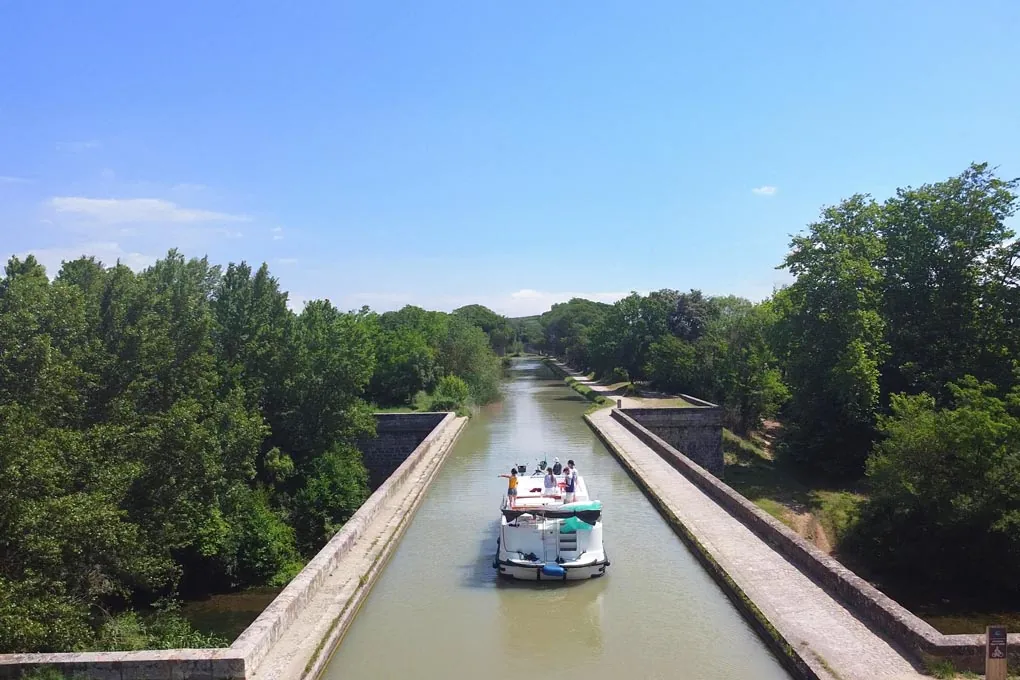
The Canal du Midi, a UNESCO site, is one of the most impressive civil engineering projects of the early modern period, and the best way to see it is to sail its 240 km (150 miles) on a boating holiday. The canal winds from Toulouse, in the Occitanie region, down to the Étang de Thau, where it meets the Mediterranean lagoons. You can travel in either direction, but it is traditionally followed from Toulouse towards the sea.
Toulouse: the Pink City before you cast off
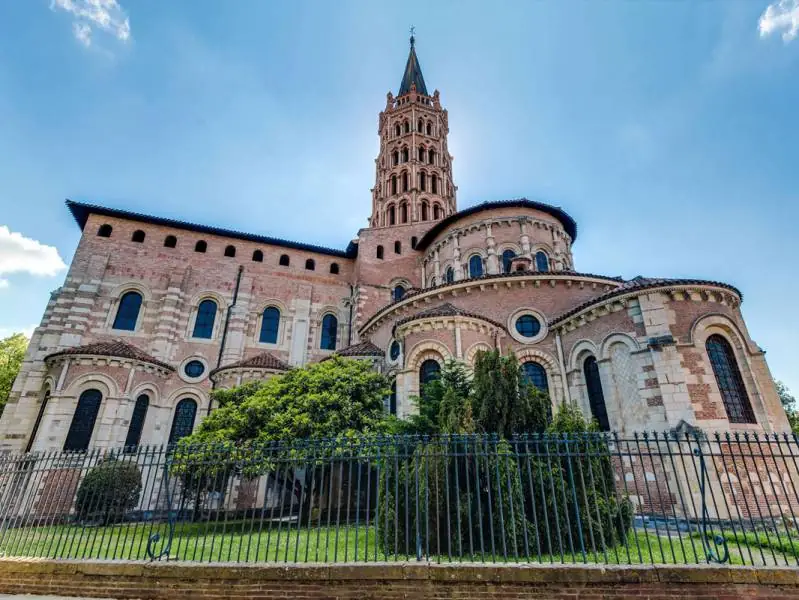
Toulouse is a natural gateway to the region and well worth a visit before or after your holiday. Don’t miss the Basilica of Saint-Sernin, one of the grandest churches in France, and the Musée des Augustins, one of Europe’s fine art museums.
Castelnaudary: cassoulet and the Seuil de Naurouze
Heading south-east, the canal climbs to the Seuil de Naurouze, its summit, where the waters divide between the Atlantic and the Mediterranean. Next comes Castelnaudary, famed for its Grand Bassin, its windmill, the Moulin de Cugarel, and above all its cassoulet, which you can sample in the town’s many restaurants. Discover our Castelnaudary and medieval towns itinerary.
Carcassonne: a medieval citadel by boat
Carcassonne is a perfectly preserved citadel, with ramparts, castle towers and medieval buildings, and many people choose to begin their holiday here. The Canal du Midi and the fortified city are each listed as UNESCO World Heritage sites, and the city attracts millions of visitors every year. You can walk freely around the lices, the area between the inner and outer walls, but you will need to book a guided tour to walk along the ramparts and see the Château Comtal. The Basilica of Saint-Nazaire, a 13th-century church built in both Romanesque and Gothic styles, is also worth a visit. See our medieval city of Carcassonne itinerary.
Minerve: a quintessential medieval village
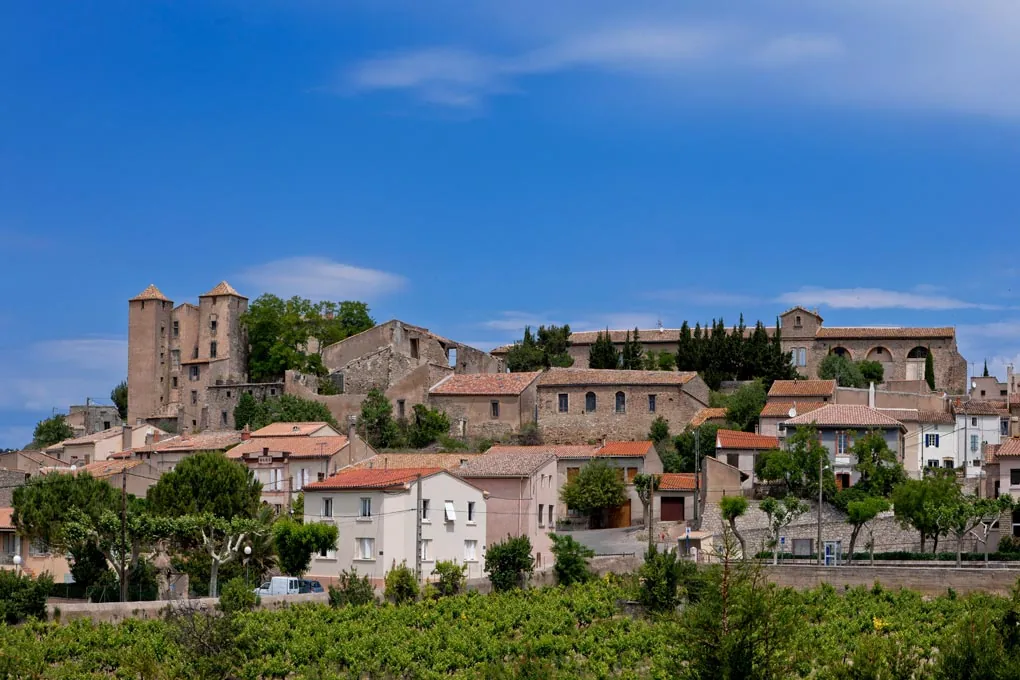
A short trip inland from the canal, Minerve is set atop a rocky outcrop and was the site of one of the bloodiest sieges of the Albigensian Crusade in the 13th century. The remains of its castle and defences still stand among the houses, giving it the air of the quintessential medieval village of southern France. With a little more time, head to the Pont Naturel de Minerve, a natural rock bridge with caves and breathtaking views of the village.
Le Somail: an idyllic canal village
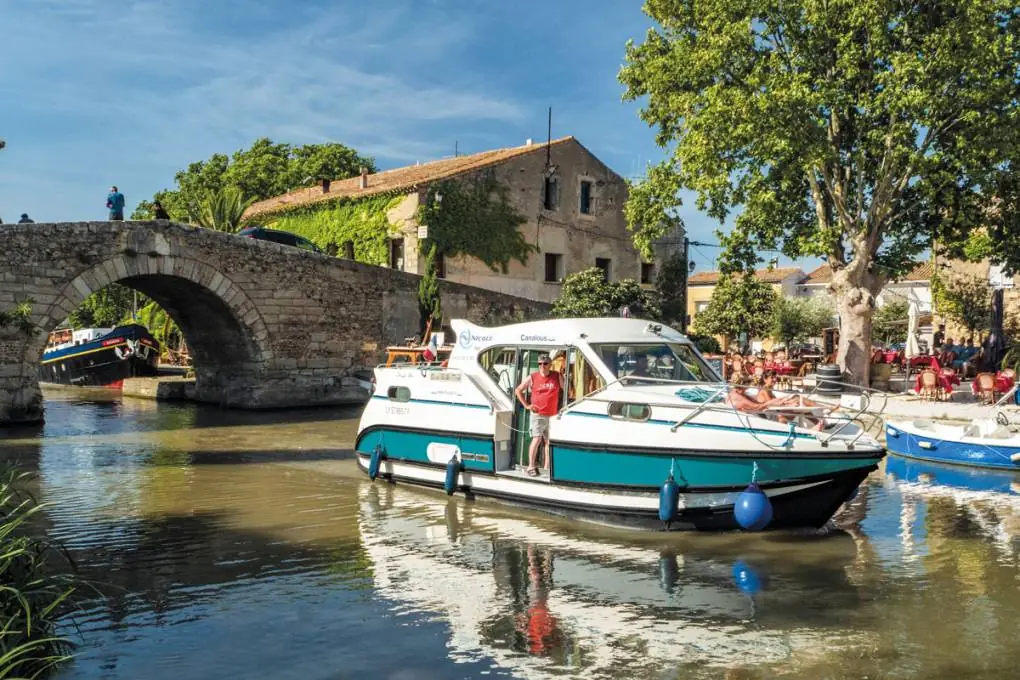
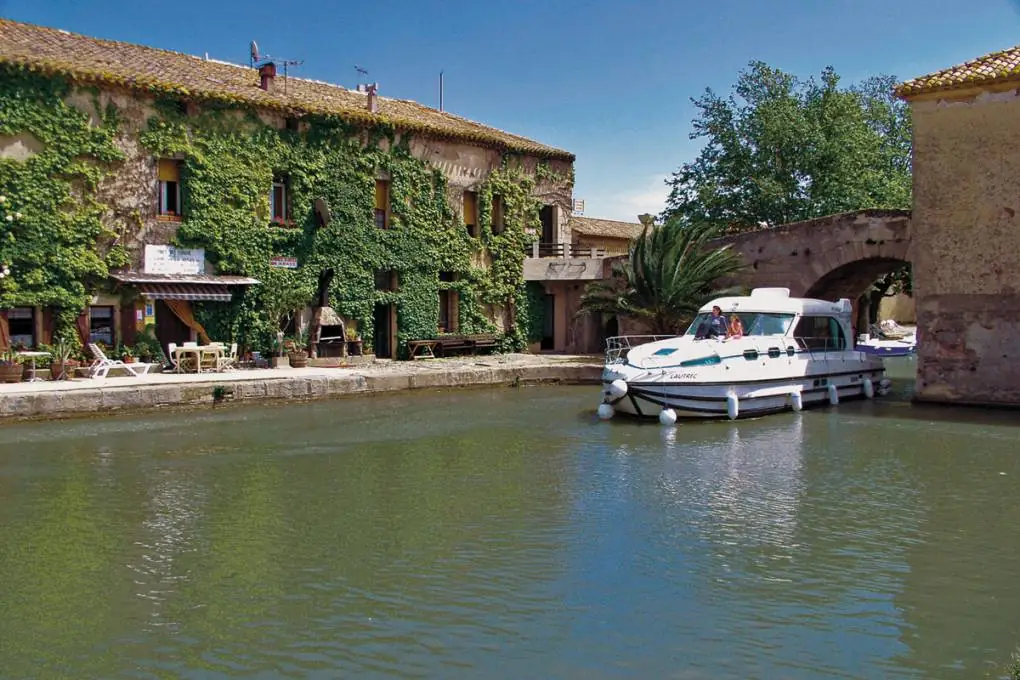
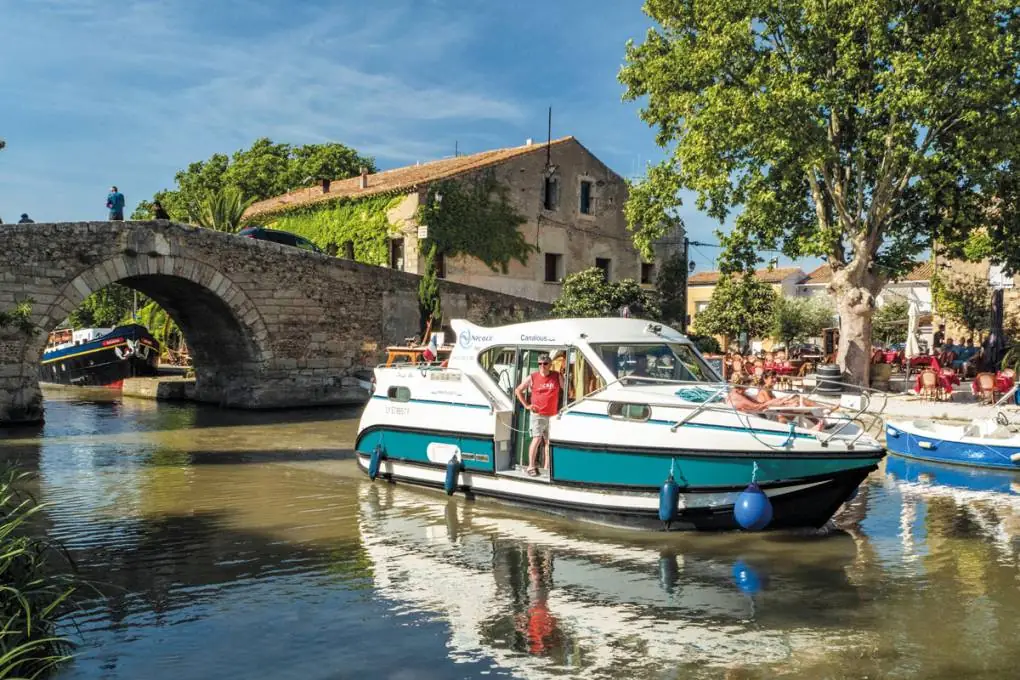
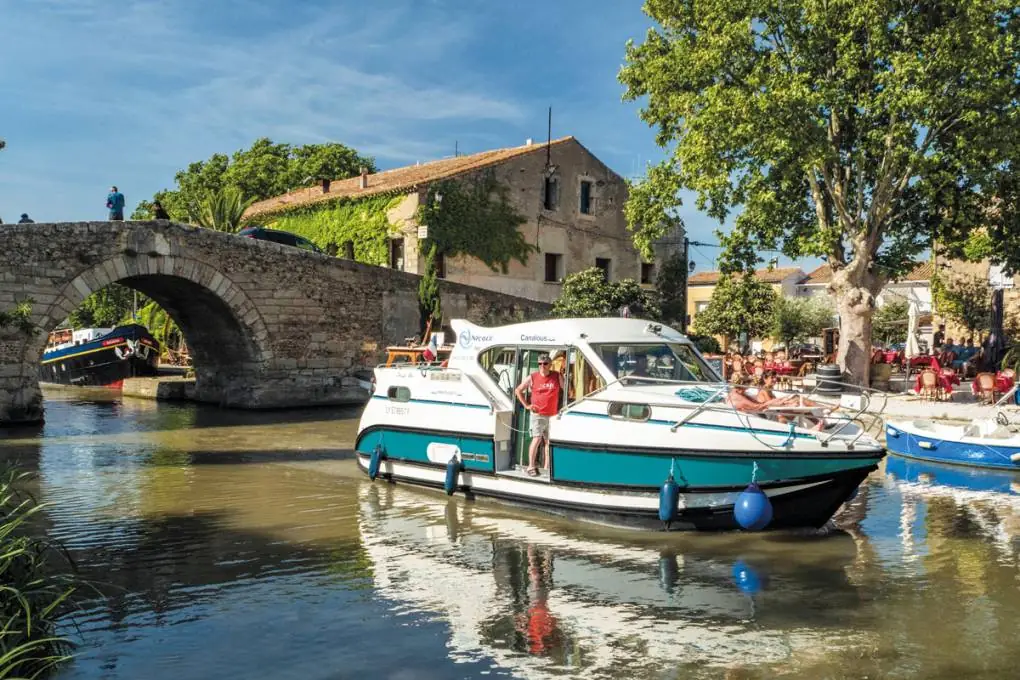
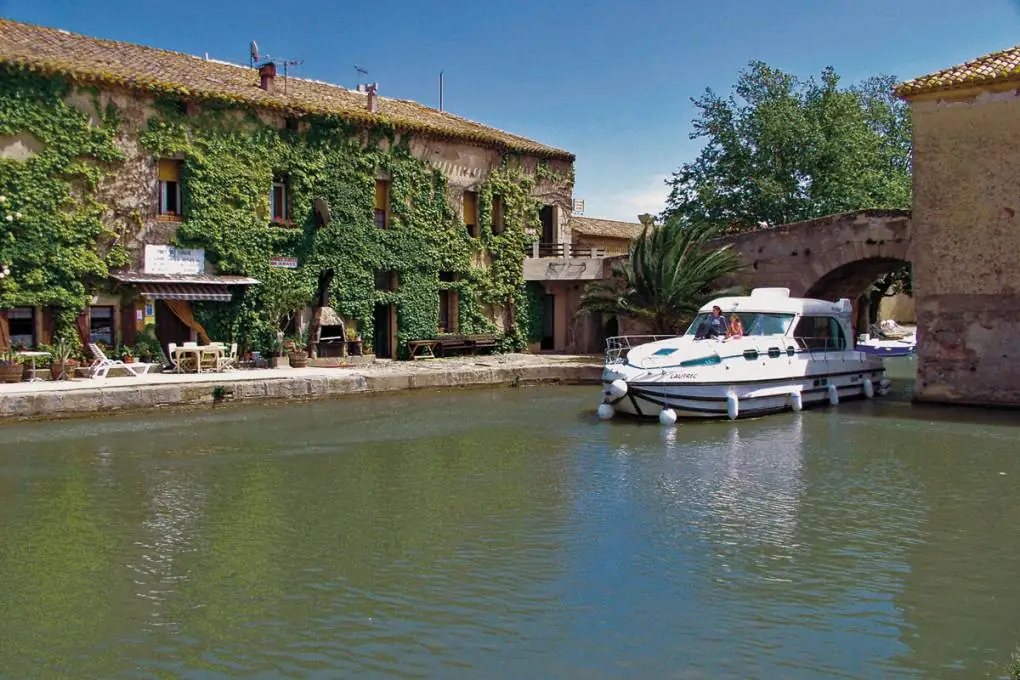
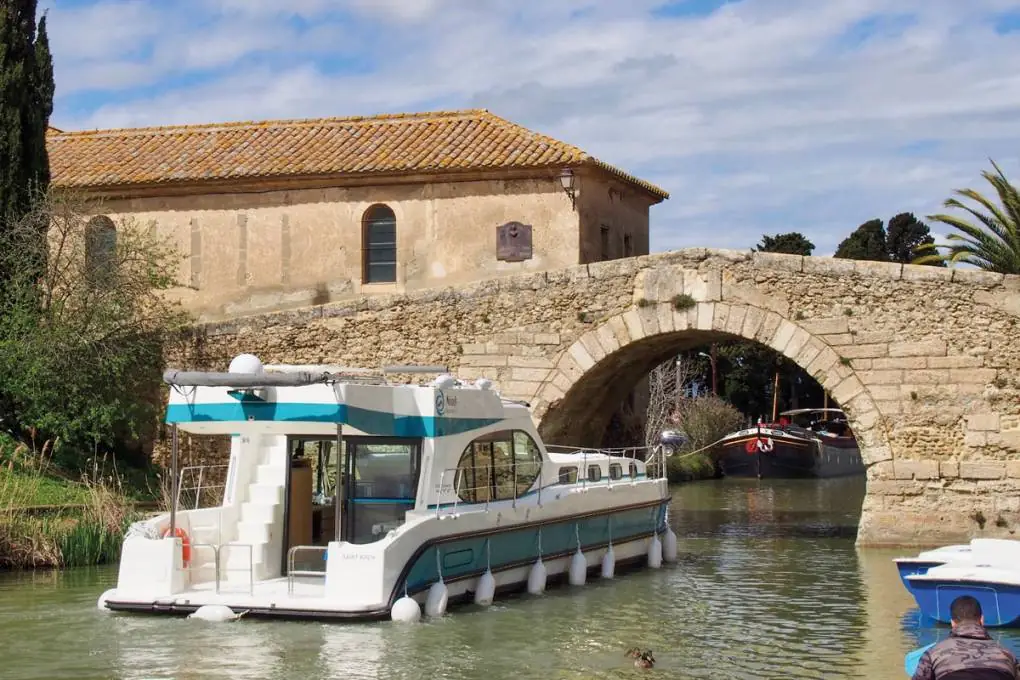
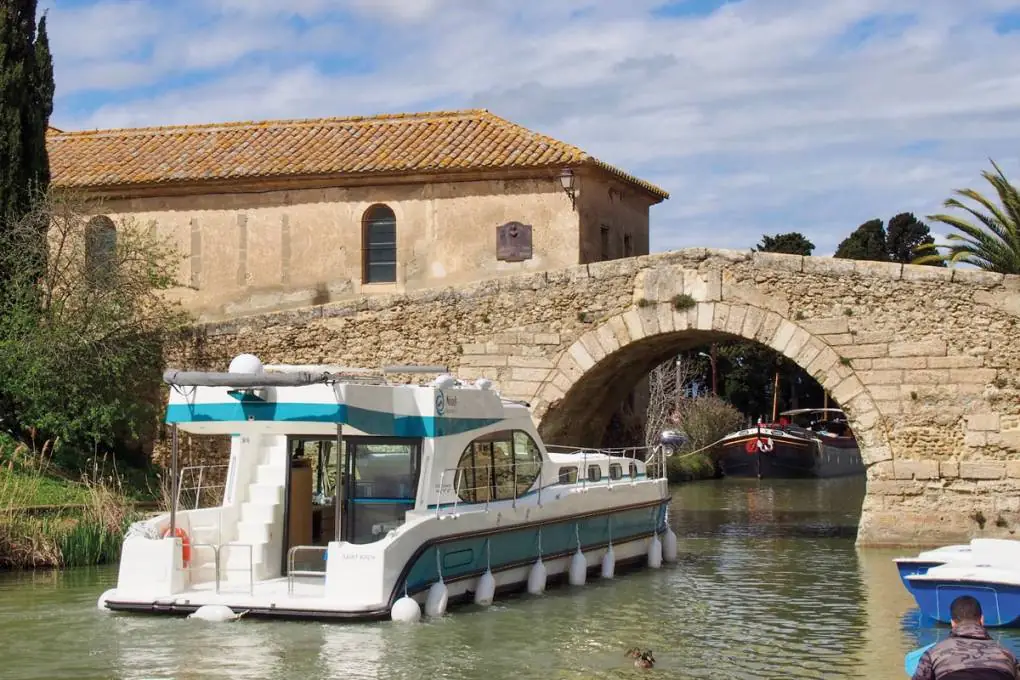
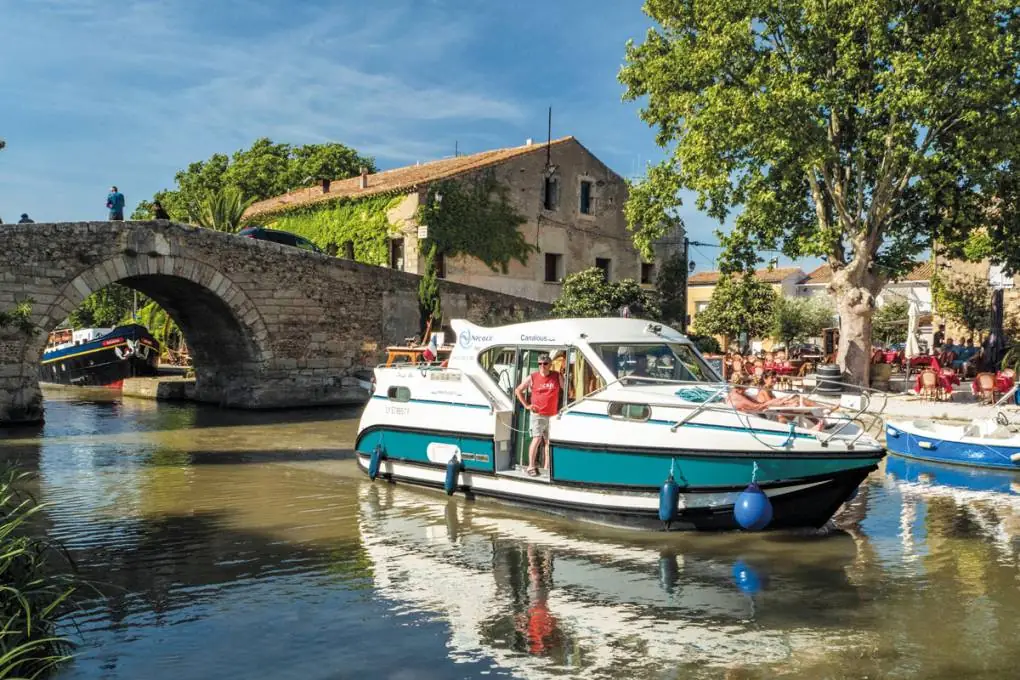
Le Somail was purpose-built by the canal’s architect, Pierre-Paul Riquet, to promote commerce around the canal, and it is now one of the route’s most picturesque villages. Its stone Pont Saint-Marcel, built in the 18th century, and its 18th-century church, which started life as a granary and old ice house, add to its charm. No journey down the canal is complete without a stop here. Our Villages and History of the South itinerary starts from Le Somail.
Narbonne: Roman history on the Canal de la Robine
Narbonne is reached via the Canal de la Robine, a branch linking the Canal du Midi to the Mediterranean coast. A former bustling port, it is the first Roman settlement in Gaul outside of Italy. Its medieval quarter is well preserved, with the Cathédrale Saint-Just-et-Saint-Pasteur, one of the tallest cathedrals in southern France, and the Pont des Marchands, a medieval bridge lined with small houses and shops, one of the few inhabited bridges still standing in France. Discover Narbonne and its 2,000 years of history.
Capestang: sailing under one of the lowest bridges
The winding waterway is part of the adventure, and nowhere more than at Capestang, where the bridge is known as one of the lowest on the canal and a delight to sail through. The town is also home to the medieval collegiate church of Saint-Étienne, linked to the archbishops of Narbonne.
9 Fonseranes Locks: a Canal du Midi marvel
Near Béziers, the 9 Fonseranes Locks form a staircase of eight oval-shaped basins closed by nine gates, a marvel of engineering and beauty. You don’t need a special licence to operate them, but lock-keepers are on hand to help, and as historic structures they call for extra care. The much shallower depth at this point limits boats to 3 mph. Try our Somail to the 9 Locks of Fonseranes itinerary.
Étang de Thau: the Mediterranean finale
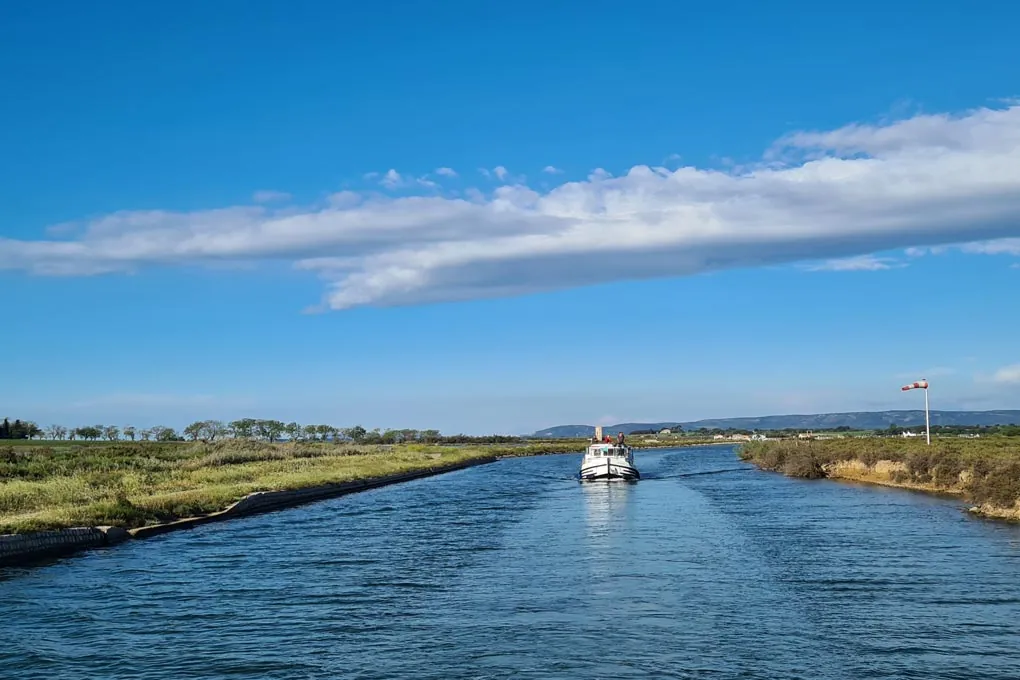
The Étang de Thau is the final stop on the canal, and what an ending it is. Its coastline and sun-soaked beaches are the perfect excuse for a swim, and its lagoons are home to some of France’s most celebrated seafood, including the much-loved Bouzigues oysters. Completing the canal doesn’t mean your holiday has to end there: you can branch out onto other canals or venture to Montpellier or Nîmes.
Canal du Midi departure bases with Riverly
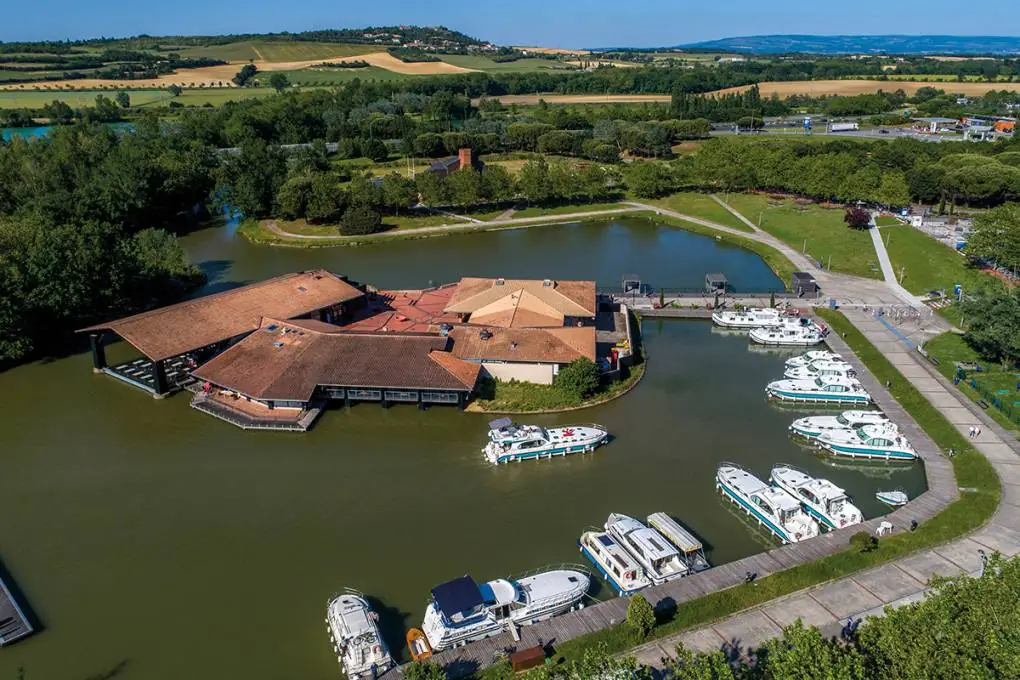
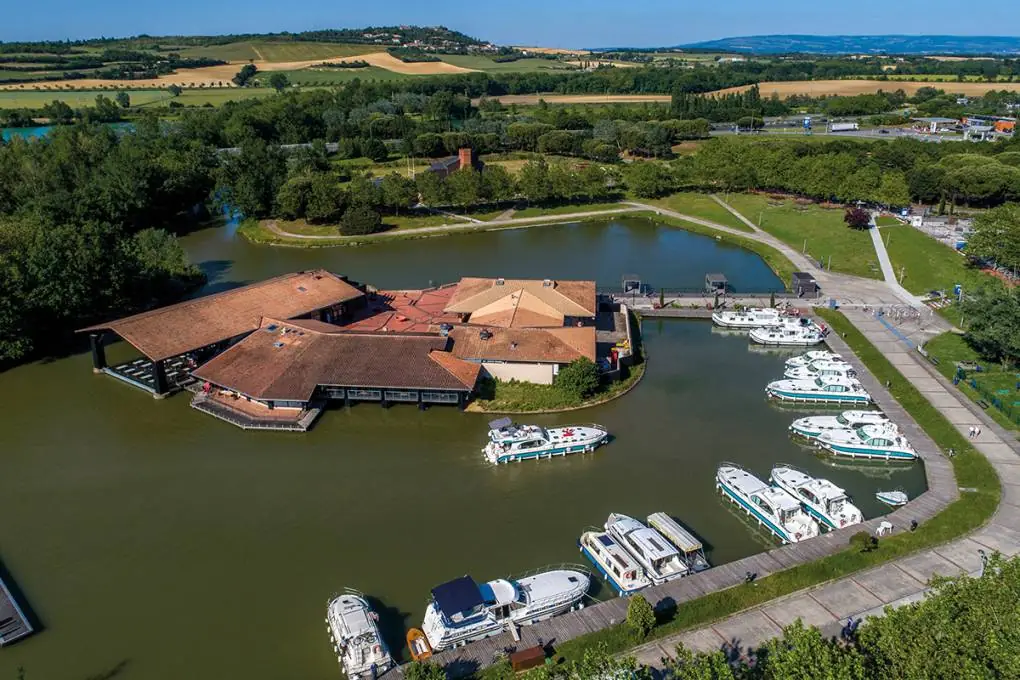
Riverly has five departure bases on the Canal du Midi: Argens-Minervois, Bram, Le Somail, Négra and Port Lauragais. Our Bram base, at the Port de Bram, is just a few kilometres from Castelnaudary and gives easy access to Carcassonne, or to Agde and the Mediterranean on a two-week cruise. From Le Somail you can sail to Narbonne, the 9 Fonseranes Locks and the Mediterranean side of the canal, while Argens-Minervois suits itineraries through Cathar country and the Minervois vineyards. Port Lauragais and Négra are well placed for the Seuil de Naurouze, Castelnaudary and Carcassonne, and one of our itineraries from Port Lauragais sails towards the Pink City. Most itineraries are round trips, but one-way routes between bases, such as Bram to Argens-Minervois or Le Somail to Port Lauragais, let you cover more of the canal.