
In short: The Canal du Midi offers plenty of things to see and do, whether you travel by boat, by bike or on foot. Highlights include Toulouse, Castelnaudary, Carcassonne, Le Somail, Capestang, the Fonseranes locks, Béziers and the Étang de Thau. A cruise on a licence-free boat lets you discover these sites at your own pace while enjoying the landscapes, villages and heritage of the south of France. Depending on the length of your stay, you can also make gastronomic stops, visit wine estates, follow the towpaths or simply enjoy nature along the water.
15 Must-See Stops and Visits on the Canal du Midi
| Stop | What to do or see | Why stop here |
|---|---|---|
| Toulouse | Discover the Pink City, its heritage and its quays. | An iconic starting point for the Canal du Midi. |
| Naurouze Threshold | See the watershed point. | Understand how the canal’s water system works. |
| Castelnaudary | Taste cassoulet and stroll around the port. | A must-stop for local gastronomy. |
| Bram | Enjoy a peaceful stop by the canal. | A pleasant place to relax. |
| Carcassonne | Visit the medieval city and its ramparts. | A major site of regional heritage. |
| Trèbes | Explore the port and local heritage. | A stop between Carcassonne and the Minervois. |
| Le Somail | Wander around the village and its bookshops. | A charming stop on the water’s edge. |
| Capestang | Discover the village, its collegiate church and the vineyards. | A stop that blends heritage and wine tourism. |
| Malpas Tunnel | Cruise through the tunnel by boat. | A remarkable historic structure on the canal. |
| Colombiers | Enjoy the port and the wine-country scenery. | A stop before the Fonseranes locks. |
| Fonseranes Locks | Watch the staircase of locks in action. | One of the canal’s most iconic structures. |
| Béziers | Discover the city, the aqueduct and the story of Pierre-Paul Riquet. | A key stop in the history of the Canal du Midi. |
| Paraza | Stroll through the village and discover the Minervois. | A peaceful stop in the heart of the vineyards. |
| Argens-Minervois | Enjoy the canal, the village and the scenery. | An authentic, restful stopover. |
| Étang de Thau | Discover the lagoon landscapes and local specialities. | A discovery between canal, lagoon and Mediterranean. |
1. Toulouse, the Pink City
To begin a cruise on the Canal du Midi, Toulouse is an essential stop. The Place du Capitole, the Basilica of Saint-Sernin, the Jacobins Convent and the quays of the Garonne let you explore the rich heritage of the Pink City before setting off by boat. The Canal du Midi begins in Toulouse and gradually leaves the city behind for the quieter landscapes of the Lauragais.
What to do: allow a few hours, or even a full day, to visit Toulouse before your departure.
2. The Naurouze Threshold
Continuing eastward, you reach the Naurouze Threshold, the highest point of the Canal du Midi. This is where the watershed basin is located, an essential structure designed by Pierre-Paul Riquet to feed the canal with water from the Montagne Noire. A stop at Naurouze helps you appreciate the exceptional engineering that made it possible to build the Canal du Midi in the 17th century. The site is also a lovely spot for a quiet walk.
3. Castelnaudary and Its Famous Cassoulet
It’s impossible to talk about the Canal du Midi without mentioning Castelnaudary. The town is world-famous for its cassoulet, but it also has a heritage directly tied to the canal. Its Grand Bassin, lined with trees and historic buildings, makes a beautiful stop during a cruise. Make the most of your stopover to stroll around the basin and discover the local cuisine. Cassoulet is of course a must, but the markets and shops are also a great way to taste regional produce.
4. Bram, a Peaceful Stop
Located between Castelnaudary and Carcassonne, Bram is a pleasant village for a break during your journey. Its historic centre, laid out in a circular plan, is easy to explore on foot or by bike from the canal. This stop is particularly well suited to family or friends’ cruises when you want to alternate a few hours of navigation with a walk on land.
5. Carcassonne and Its Medieval City
Carcassonne is one of the must-see visits on a Canal du Midi cruise. The famous medieval Cité, a UNESCO World Heritage Site, impresses with its ramparts, towers and fortified gates. It is a true journey back in time. From the canal, allow several hours to reach the Cité and explore it. You can discover the Basilica of Saint-Nazaire, wander through the medieval lanes and walk along the fortifications.
Tip: allow enough time to enjoy the visit without having to rush back to the boat.
Read also: A boat trip on the Canal du Midi from Carcassonne
6. Trèbes, Between Canal and Heritage
A few kilometres from Carcassonne, Trèbes is an interesting stop for continuing your exploration of the Canal du Midi. The canal runs right through the town, making it easy to take a break before heading on towards the Minervois. You can also set off on foot or by bike to explore the surrounding area. Trèbes perfectly illustrates one of the appeals of a Canal du Midi cruise: the villages make it easy to vary your days between navigation and discoveries on land.
7. Le Somail, a Village Full of Charm
Le Somail is one of the most popular stops on the Canal du Midi. Its small port, stone bridge and historic buildings give it a particularly pleasant atmosphere. The village is also known for its antiquarian bookshop, housed in an 18th-century building. Le Somail is perfect for a stroll, a lunch on a terrace or a break during a bike ride. Here, the appeal also lies in taking your time and enjoying the peaceful atmosphere of the canal.
8. Capestang and the Languedoc Vineyards
At Capestang, the landscape gradually becomes more Mediterranean. The village is dominated by the Collegiate Church of Saint-Étienne, whose imposing silhouette can be seen from the surrounding area. Capestang is also an excellent stop for discovering the Languedoc vineyards.
If you enjoy wine tourism, use your cruise to plan a visit to a wine estate, or simply taste the local wines during a stopover.
9. The Malpas Tunnel
The Malpas Tunnel is one of the most astonishing structures on the Canal du Midi. Dug through the Ensérune hill, it allows the canal to pass a natural obstacle over about 170 metres. Sailing through this tunnel is a different experience from the rest of the cruise: within a few minutes, the boat goes from a canal lined with greenery to a historic structure carved into the rock. Nearby, the Ensérune oppidum also offers a superb viewpoint over the surrounding landscapes.
10. Colombiers, Between Canal and Vineyards
Colombiers is a pleasant stop to discover between the Malpas Tunnel and Béziers. Its port makes it easy to take a break and walk to the village. The paths around the canal are also ideal for bike rides. The proximity of the Malpas Tunnel and the Fonseranes locks means you can combine several iconic sites on a single stretch of your route.
11. The Fonseranes Locks
The Fonseranes locks are among the most famous structures on the Canal du Midi. This series of locks allows boats to overcome a significant difference in level. For those new to inland boating, going through them is often one of the highlights of the cruise. The site shows the ingenuity of the system devised in the 17th century to let boats pass between the canal’s different levels. You can also explore the locks on foot to watch the boats being manoeuvred.
12. Béziers, in the Footsteps of Pierre-Paul Riquet
Béziers has a special connection to the Canal du Midi: Pierre-Paul Riquet, its designer, was born in this city. A stopover lets you discover the historic centre, the Cathedral of Saint-Nazaire and the Allées Paul-Riquet. Nearby, the Orb aqueduct is another remarkable structure. The canal crosses the river on a bridge more than 240 metres long. Béziers is therefore an ideal stop for combining the history of the canal with a discovery of local heritage.
13. Paraza and the Landscapes of the Minervois
Continuing eastward, the landscapes become increasingly Mediterranean. Paraza is a pleasant village for a break between two days of cruising. Set in the heart of the Minervois vineyards, it offers a peaceful setting for walking and enjoying the scenery. On this stretch of the Canal du Midi, the pleasure lies as much in the stopovers as in the navigation: vines, villages and the trees lining the canal drift slowly by at the pace of the boat.
14. Argens-Minervois
Argens-Minervois is another interesting stop for discovering the Canal du Midi on the Minervois side. The canal runs straight through the village, making it easy to go from the boat to a walk on foot. The Château d’Argens, the village lanes and the surrounding vineyard landscapes make for a pleasant stopover. It is a stop particularly suited to a relaxed-pace cruise, combining navigation, cycling, sightseeing and discovering local products.
Read also: Destination of the month: Argens
15. The Étang de Thau, Between Canal and Mediterranean
For itineraries that continue eastward, the Étang de Thau marks a spectacular transition. After several days of sailing on a tree-lined canal, the landscape gradually opens onto this vast Mediterranean lagoon. The Étang de Thau is known for its oyster farming, fishing villages and cuisine. Depending on the itinerary you choose, the cruise can continue all the way to Sète.
What to Do on the Canal du Midi
According to Your Interests The Canal du Midi isn’t only about monuments and villages. A cruise makes it easy to combine several activities.
By Bike or on Foot
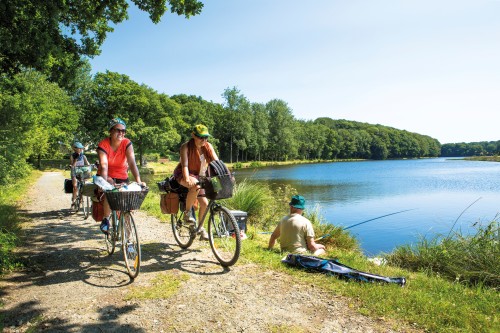
The paths along the canal are perfect for a walk or bike ride between stops. A bike is especially handy when travelling by boat: it lets you easily reach a village, a market or a tourist site from your mooring. You can also simply set off for an hour’s stroll along the banks and enjoy the scenery.
For Food Lovers
Every stopover is a chance to discover local specialities. Cassoulet in Castelnaudary, Languedoc wines in the Minervois, market produce or specialities from the Étang de Thau: gastronomy is an integral part of the experience. Another good idea is to buy a few local products during a stopover and enjoy them right on board.
For Nature Lovers
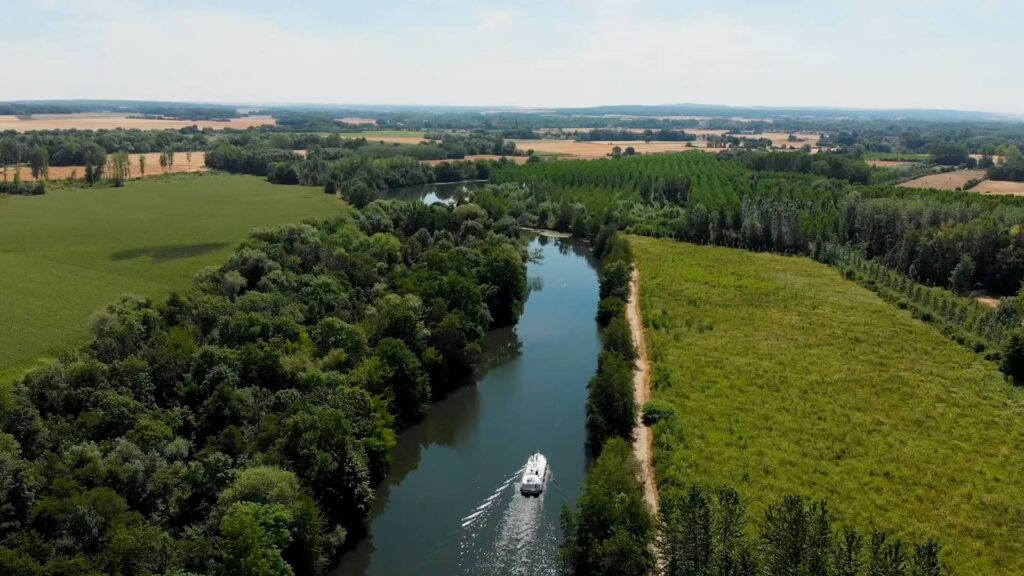
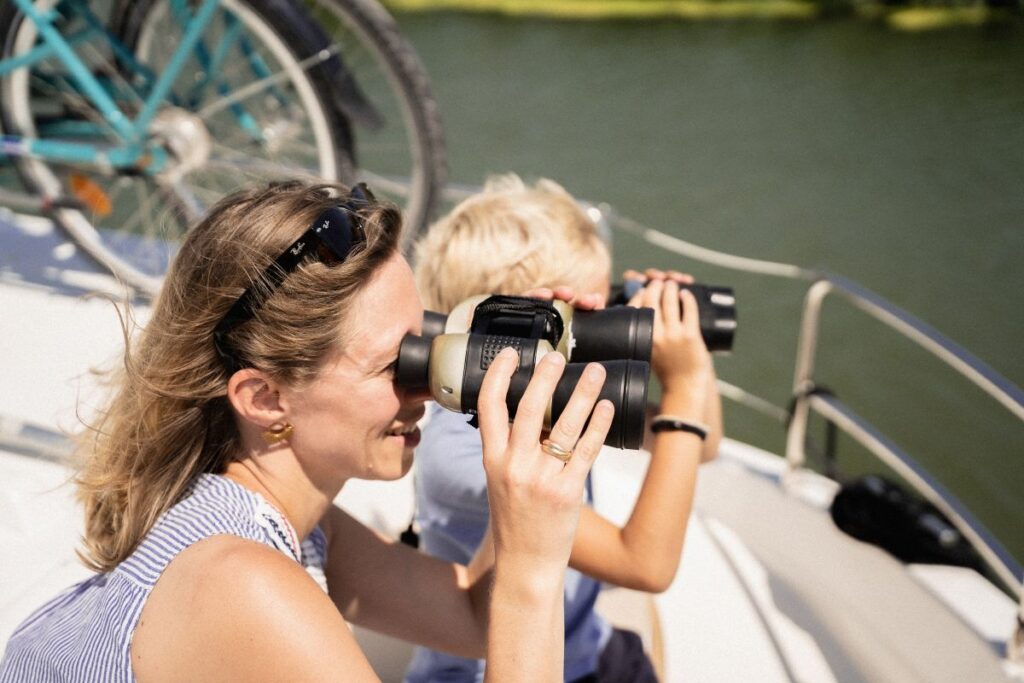
The Canal du Midi crosses varied landscapes: vineyards, fields, villages, woodland and Mediterranean scenery. Slow cruising gives you time to watch the birds, the vegetation and the landscapes. You can also use your breaks to picnic, read in the shade of the trees or simply relax by the water.
With Family, as a Couple or with Friends
With family, choose an itinerary that alternates cruising, cycling, sightseeing and breaks. Going through locks and life on board also make the trip fun for children.
As a couple, opt for small villages, wine estates, restaurants and bike rides. The boat lets you travel as a pair while changing scenery every day.
With friends, the boat becomes a true shared living space. Cruising, sightseeing, meals on board, markets and cycling make for a convivial holiday without piling up car journeys.
Practical Tips for Planning Your Canal du Midi Holiday
How Many Days Should You Allow?
A mini-cruise of 3 or 4 days lets you discover part of the canal and several villages and must-see sites. A week gives you more time to take it easy, add more stopovers and combine cruising, cycling, sightseeing and gastronomy. The key is not to try to see everything: the Canal du Midi is particularly well suited to slow travel.
Read also: Mini-cruise on the Canal du Midi: what to do in 3 or 4 days?
What Is the Best Time to Go?
The Canal du Midi is best explored from spring to autumn. In spring, the landscapes are green and temperatures are pleasant for walks. In summer, the long days let you make the most of the activities and villages, although some areas are busier. In September and early autumn, temperatures generally remain mild and the vineyard landscapes take on a new dimension with the grape harvest.
Can You Sail Without a Licence?
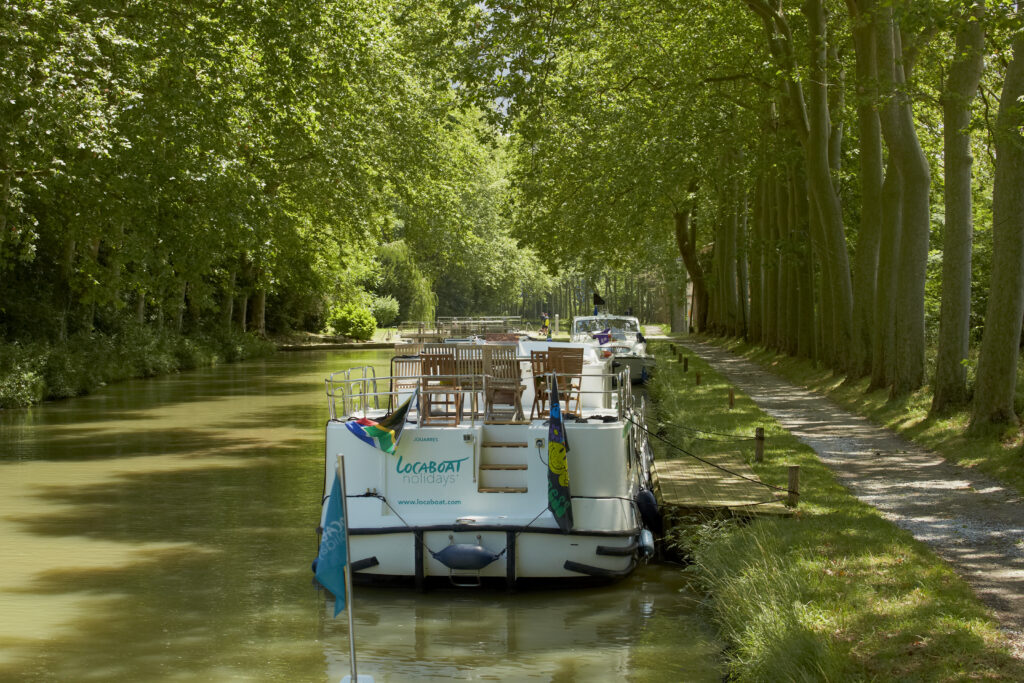
Yes, some stretches of the Canal du Midi can be explored aboard a licence-free houseboat. Before departure, a briefing teaches you how to handle the boat and the main manoeuvres needed for navigation. No prior experience is required. On board, you have a real living space with cabins, a kitchen, a lounge and outdoor areas, depending on the model chosen. The boat becomes your accommodation for the whole cruise.
How Can You Help Protect the Canal du Midi?
The Canal du Midi is an exceptional heritage site that deserves to be protected. A few simple actions help preserve it: leave no litter, respect natural areas, keep a respectful distance from wildlife, use the designated mooring areas and follow navigation instructions.
So, What to Do on the Canal du Midi?
Visit Carcassonne, discover the Fonseranes locks, enjoy a cassoulet in Castelnaudary, explore the Minervois vineyards, cycle along the canal or simply enjoy a quiet day of cruising: the Canal du Midi offers a wealth of experiences. And that is precisely what makes it so charming: there is no single way to discover the Canal du Midi. By boat, by bike or on foot, with family, as a couple or with friends, everyone can build a holiday to suit their wishes. Renting a licence-free boat lets you combine all these discoveries in a single trip: you change scenery every day while keeping your accommodation on board.
Want to discover the Canal du Midi from the water? Explore Riverly’s boats and plan your next licence-free cruise.
FAQ: What to Do on the Canal du Midi?
What are the main things to see on the Canal du Midi?
What are the main things to see on the Canal du Midi?
Highlights include Toulouse, the Naurouze Threshold, Castelnaudary, Carcassonne, Le Somail, Capestang, the Malpas Tunnel, the Fonseranes locks, Béziers, the villages of the Minervois and the Étang de Thau.
What is the most beautiful part of the Canal du Midi?
What is the most beautiful part of the Canal du Midi?
There is no single “most beautiful” part. The area around Carcassonne appeals for its heritage, while the Minervois is loved for its villages and vineyards. The Fonseranes locks and the Malpas Tunnel are two of the canal’s most remarkable structures.
Can you visit the Canal du Midi by licence-free boat?
Can you visit the Canal du Midi by licence-free boat?
Yes. You can rent certain licence-free river boats on the Canal du Midi. Navigation training is provided before departure.
Can you cycle along the Canal du Midi?
Can you cycle along the Canal du Midi?
Yes. Cycling is an excellent way to discover the villages and landscapes along the canal. You can also take your bike on board to make excursions during your cruise easier.
How many days do you need to discover the Canal du Midi?
How many days do you need to discover the Canal du Midi?
Allow at least 3 or 4 days to discover part of the canal. A week lets you make the most of the stopovers, villages, activities and cruising.
Is the Canal du Midi suitable for families?
Is the Canal du Midi suitable for families?
Yes. The Canal du Midi is particularly well suited to family holidays. Cruising, locks, cycling, villages and nature breaks keep the activities varied throughout your stay.
Where should you stop on the Canal du Midi?
Where should you stop on the Canal du Midi?
Interesting stopovers include Castelnaudary, Bram, Carcassonne, Trèbes, Le Somail, Capestang, Colombiers, Béziers, Paraza and Argens-Minervois. The choice depends on your route and the number of days available.